
Basin Waste Guide: How to Choose the Right Basin Waste

Basin wastes are often an overlooked part of a bathroom renovation, but choosing the right one is important. The waste needs to work with your basin's design, allow water to drain correctly and, if required, connect with the basin's overflow system.
It also contributes to the finished appearance of your bathroom. Modern basin wastes are available in a range of designs and finishes, from traditional plug-and-chain styles to contemporary click-clack mechanisms and minimalist free-flow options.
Although many basin wastes look similar at first glance, they are not all interchangeable.
Choosing the wrong type can prevent the overflow from draining properly, cause compatibility problems or lead to leaks if the waste is unsuitable for the basin.
In this guide, we'll explain what a basin waste does, the difference between slotted and unslotted wastes, the styles available and what to check before buying.
What Does a Basin Waste Do?
A basin waste is the fitting installed in the drainage opening at the bottom of a washbasin. It allows used water to flow into the waste pipe and, depending on the design, lets you close the opening to retain water in the basin.
Some wastes use a removable plug, while others have a built-in stopper that opens and closes with a push or lever mechanism. Free-flow wastes, by contrast, are designed to remain open so that water can drain continuously.
Some basins are supplied with a compatible waste, but many require you to purchase one separately. Certain basin tap packages also include a waste, so check exactly what is supplied before ordering additional fittings.
The most important starting point is to establish whether your basin has an overflow.
What Is a Basin Overflow?
A basin overflow is an opening or channel built into the basin to provide an additional route for water to drain away if the water level rises too high.
On many ceramic basins, the overflow is visible as a small hole near the top of the bowl, often below the tap. On other designs, the overflow may be integrated into the basin in a less obvious way.
The overflow connects to the waste assembly, allowing excess water to pass into the drainage system.
An overflow can help reduce the risk of water spilling over the basin's edge, but it is not a guarantee against flooding. Its effectiveness depends on the design and condition of the overflow and waste, and whether the drain can handle the incoming water.
If your basin has no overflow, take particular care when filling it. Never leave running water unattended, especially where children or vulnerable people may use the bathroom.
Slotted or Unslotted Basin Waste: Which Do You Need?
This is the most important decision when choosing a basin waste. The correct type depends on whether your basin has an overflow.
Slotted Basin Waste
A slotted waste is designed for a basin with an overflow. It has an opening in the side of the waste body that allows water entering the basin's overflow channel to drain away through the waste pipe.
This means that water can continue to drain through the overflow even when the main waste stopper is closed.
If your basin has an overflow, you will generally need a compatible slotted waste unless the manufacturer specifies a different approved arrangement.
Unslotted Basin Waste
An unslotted waste is designed for a basin without an overflow. It does not have the side opening needed to connect with a conventional basin overflow channel.
Using an unslotted waste with a basin that relies on an overflow can prevent that overflow from draining as intended. Conversely, a conventional slotted waste may be unsuitable for a basin without an overflow because its side opening can allow water to escape from the waste assembly.
Can You Buy a Universal Basin Waste?
Yes. Some manufacturers offer universal wastes designed to work with basins both with and without an overflow. The way these products achieve compatibility varies, so do not assume that every universal waste will fit every basin.
Check the manufacturer's specifications and installation instructions to confirm that the particular waste is suitable for your basin and intended configuration.
Quick rule: Check the basin first, then select the waste. Do not choose based on appearance alone.
Remember that slotted or unslotted describes the waste's compatibility with the basin's overflow, while click-clack, flip-top and pop-up describe its operating mechanism. Choose the correct configuration first, then select the style you prefer.
Different Types of Basin Waste
Once you know which waste configuration your basin requires, you can choose the operating mechanism and finish that best suit your bathroom.
1. Plug and Chain Basin Waste
The plug-and-chain waste is the traditional option many people will recognise. It consists of a removable plug connected to a chain, which is attached to the basin or another suitable fixing point.
To fill the basin, you place the plug into the waste opening. When you want to drain the water, you lift the plug using the chain.
Advantages:
Simple and familiar to use.
Easy to understand and operate.
The plug can be removed for cleaning.
Available in traditional and contemporary finishes.
Things to consider:
The chain needs a suitable attachment point. Some basins have a dedicated hole for a chain stay, while others do not. Check the basin design before buying this type of waste.
A plug-and-chain waste may suit a traditional bathroom, but the visible chain and plug can look less streamlined in a minimalist design.
2. Click-Clack Basin Waste
Also known as a push-button or sprung waste, a click-clack waste opens and closes when you press the stopper.
Press the top once to close the waste and retain water in the basin. Press it again to release the stopper and allow the water to drain.
Click-clack wastes are popular in contemporary bathrooms because they provide a neat finish without a separate chain or visible operating lever.
Advantages:
Simple push-to-open and push-to-close operation.
Clean, modern appearance.
No chain or separate lever is required.
Available in slotted and unslotted versions, as well as different finishes.
Things to consider:
The mechanism contains moving parts that may require cleaning or maintenance over time. Hair, soap residue and limescale can affect its operation, depending on the design and local water conditions.
Check the height and shape of the stopper, particularly if your basin has a shallow bowl or a distinctive waste opening.
3. Flip-Top Basin Waste
A flip-top waste, sometimes called a flip-over or spinner waste, uses a rotating disc to open or close the drainage opening.
The disc is turned to one position to retain water and rotated to another to allow it to drain. The exact movement and operation depend on the product.
Flip-top wastes can suit modern bathrooms where you want a simple mechanism without a chain or push-button stopper.
Advantages:
Minimalist appearance.
Straightforward manual operation.
No separate chain or rear tap lever is needed.
Available in different finishes to coordinate with other fittings.
Things to consider:
Check the manufacturer's instructions to understand how the disc operates and how it should be cleaned. As with other waste types, make sure you select the correct configuration for a basin with or without an overflow.
4. Pop-Up Basin Waste
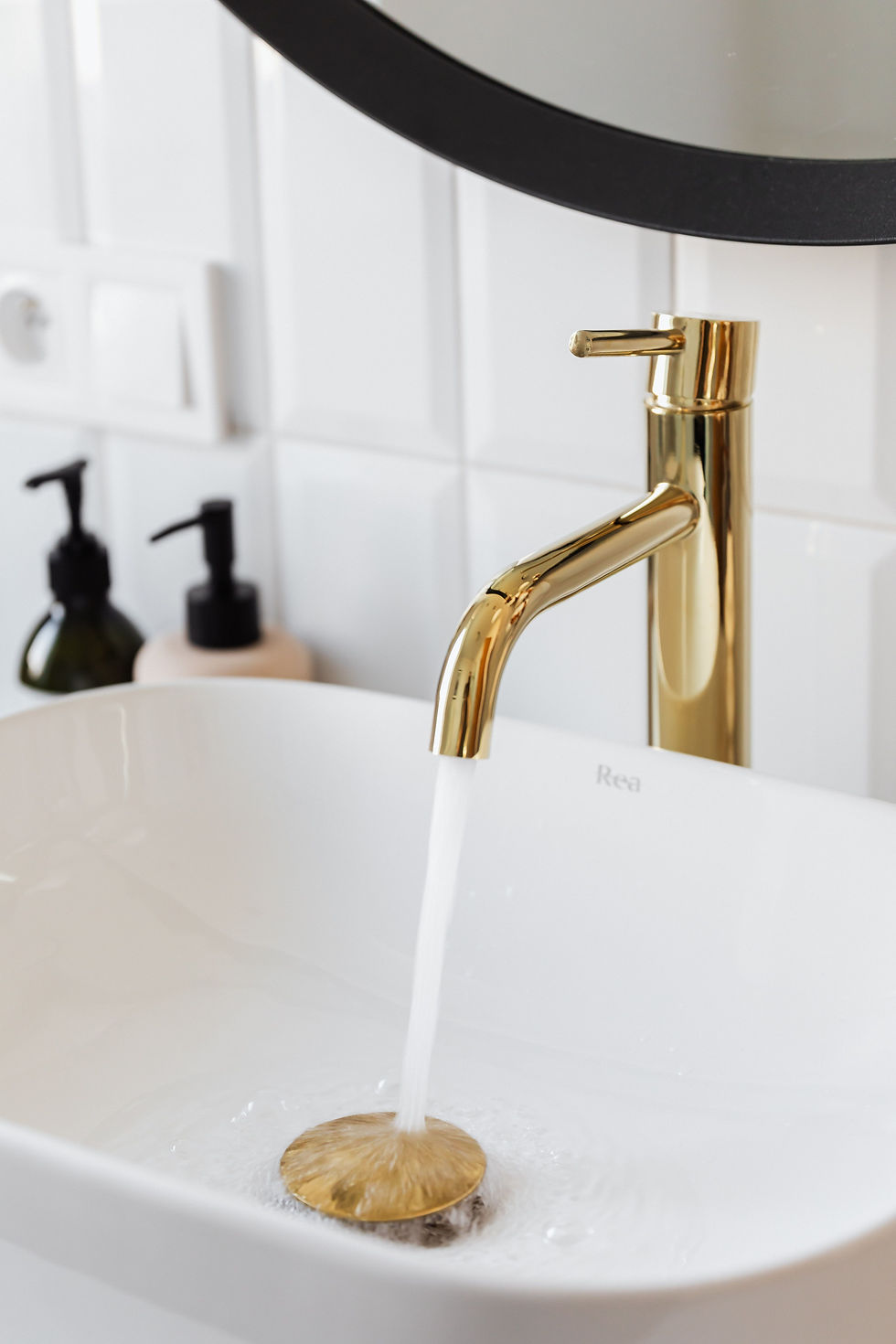
A pop-up waste is usually operated by a lever or rod connected to the basin tap. Moving the lever raises or lowers the stopper inside the waste opening.
On many traditional arrangements, pulling the lever up closes the waste, while pushing it down opens the stopper and allows water to drain. The exact operation can vary by design.
The main benefit is that you can open or close the waste without reaching into the water to lift a plug.
Advantages:
Convenient operation from the tap area.
No separate plug-and-chain arrangement.
Can complement traditional or classic bathroom designs.
Useful for people who prefer not to handle a wet stopper.
Things to consider:
The basin tap must be compatible with the pop-up mechanism, and the operating rod is usually visible behind the tap. You will also need sufficient space beneath or behind the basin for the mechanism to fit and operate correctly.
Some taps are supplied with a compatible waste, while others require it to be purchased separately. Confirm the contents of the package before ordering.
5. Free-Flow Basin Waste
A free-flow basin waste is designed to remain open, allowing water to drain continuously rather than being retained in the basin. It can be useful where you do not need to fill the basin, but the correct type still depends on the basin's design. Some free-flow wastes are intended for basins without an overflow, while universal models may accommodate either arrangement. Always check the manufacturer's specifications.
Advantages:
Water can drain continuously.
No push-button or plug mechanism is needed to retain water.
Can suit minimalist basins and some commercial applications.
Can be used as part of a design intended to avoid closing the waste.
Things to consider:
A free-flow waste is not suitable if you regularly need to fill the basin for shaving, washing or other tasks that require standing water.
Do not assume every free-flow waste is suitable for every basin without an overflow. Check the product specifications, including whether the design is intended for use with an overflow, without an overflow or both.
6. Chain-Hole Stopper
If you are replacing a traditional plug-and-chain waste with a different design, you may be left with an unused hole in the basin where the chain was attached.
A chain-hole stopper, sometimes called a chain-hole cover, is a small fitting designed to cover that opening.
It can provide a neater finish without requiring you to replace the entire basin. These fittings are available in different styles and finishes, although compatibility with the hole size and basin design should be checked.
This is a finishing accessory rather than a type of waste, but it is worth considering if you are updating an existing basin.
How Do You Choose the Right Basin Waste Finish?
Once you have established the correct waste type, you can choose a finish to complement the rest of your bathroom.
Chrome is a familiar choice that works with many bathroom styles. Other finishes may include matt black, brushed nickel, brushed brass and other metallic tones, depending on the manufacturer.
For a coordinated look, consider matching the waste to your basin tap and other visible fittings. You do not necessarily have to use exactly the same finish throughout the room, but a considered combination can help the overall design feel consistent.
When comparing finishes, remember that different manufacturers may use slightly different shades or surface treatments even when they use similar names. If an exact match matters, check the products together before ordering.
What Else Should You Check Before Buying a Basin Waste?
The slotted or unslotted configuration is the starting point, but it is not the only consideration. Check the following details before making your choice.
Basin Compatibility
Confirm that the waste is suitable for your basin's design and material. Some basins have unusual waste openings, integrated overflow channels or limited space underneath.
If the basin is supplied with a waste, check whether it is the correct type and whether you need to purchase anything additional.
Waste Size and Thread
Basin wastes come in different sizes and designs. Check the manufacturer's stated dimensions and connection details to ensure the waste is compatible with the basin and the existing plumbing.
Do not assume that a waste will fit simply because it looks similar to your current one.
Space Beneath the Basin
The body of the waste extends below the basin, so available space can be important, particularly with countertop basins, shallow vanity units or compact furniture.
Check that the waste will fit alongside the basin trap, drawers and other pipework. Some installations may require a particular waste length or a compatible trap arrangement.
Ease of Cleaning
Waste mechanisms can collect soap residue, hair and limescale. If easy maintenance is important to you, look for a design that can be cleaned in accordance with the manufacturer's instructions and check whether any removable parts are intended to be taken out for cleaning.
What Is Included?
Some basin wastes are supplied with all the necessary components, while others may require additional fittings or a separate trap. Check the product information carefully to avoid ordering duplicate or incompatible parts.
If you are replacing an existing waste, compare the new product's dimensions and connection requirements with the old installation before buying.
Can You Replace a Basin Waste Without Replacing the Basin?
In many cases, yes. If your existing basin is in good condition, you may be able to replace the waste to update the appearance or resolve a fault.
However, the replacement needs to be compatible with the basin's overflow arrangement, waste opening and available space. If you are switching from a plug-and-chain style to a click-clack waste, for example, you should also check whether the new fitting will cover any existing chain hole.
If you are unsure about compatibility or the existing waste is leaking, a plumber can assess the installation and advise on a suitable replacement.
Which Basin Waste Is Best for Your Bathroom?
There is no single basin waste that is best for every bathroom. The right choice depends on your basin, how you use it and the look you want to achieve.
A plug-and-chain waste can be a good fit for a traditional bathroom, while a click-clack or flip-top design may suit a contemporary scheme. A pop-up waste can offer convenient operation when paired with a compatible tap, and a free-flow waste may be appropriate for installations where the basin is not intended to hold water.
Above all, make sure the waste is compatible with your basin's overflow arrangement and plumbing connections.
If you are planning a new bathroom, updating your basin or choosing taps and accessories, Bathroom & Fireplace Warehouse in Chatham, Kent, can help you explore the bathroom products available for your project.
Planning your bathroom? Contact Bathroom & Fireplace Warehouse to discuss your ideas and enquire about the ranges available for your home.
