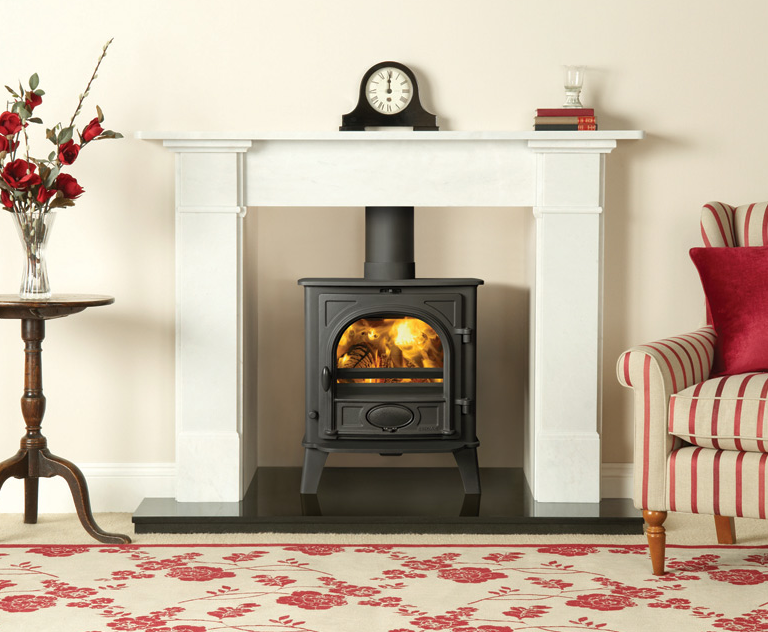
Wood-Burning Stove Buying Guide

A wood-burning stove can create a welcoming focal point while providing heat for a suitable room in your home. Choosing the right model involves more than appearance: you’ll need to consider heat output, the chimney or flue, installation requirements, fuel storage and ongoing maintenance.
This guide explains what to consider before buying a wood-burning stove, how wood-burning and multi-fuel models differ, and the practical requirements for safe installation and use.
1. What to Consider Before Buying a Wood-Burning Stove
Before exploring different designs, think about how you intend to use the stove and whether your property can accommodate one.
Consider:
Which room do you want to heat?
Will the stove provide occasional warmth or be used regularly?
Do you have a suitable chimney, or will a new flue system be needed?
Is there enough space for the stove, hearth and required clearances?
Where will you store your firewood?
Is your property in a smoke control area?
Have you considered installation, fuel and maintenance requirements?
Answering these questions early can help narrow your options and identify any practical limitations before you choose a model.
2. Choosing the Right Stove Size
Selecting the appropriate heat output is one of the most important parts of choosing a stove.
A stove that produces too little heat may struggle to warm the room. An oversized model can make the space uncomfortably hot and encourage you to reduce the air supply excessively, potentially resulting in inefficient combustion and increased smoke.
How much heat output do you need?
Room size is a useful starting point, but it is not the only factor. An assessment should consider:
The room’s length, width and height.
The property’s age and construction.
Insulation quality and draughts.
The number, size and type of windows.
Ventilation and combustion-air requirements.
Whether the room is open-plan or connected to other spaces.
How frequently you intend to use the stove.
A well-insulated room may need less heat than a similarly sized room in an older, draughtier property. The stove’s intended use also matters: occasional supplementary heating may require a different approach from regular use throughout winter.
Manufacturers specify nominal heat outputs for their appliances, but the right output for your room should be assessed rather than chosen by guesswork. Ask a competent stove installer for advice before selecting a model.
3. Do You Need a Chimney?
Not necessarily. A wood-burning stove may be installed in a property without an existing chimney, provided a suitable flue system can be installed and all relevant requirements can be met.
Installing a stove with an existing chimney
An existing chimney must be assessed to determine whether it is suitable for the proposed appliance. Its condition, dimensions and configuration may affect the installation, and a suitable flue liner may be required.
Do not assume a chimney is safe simply because it has previously been used for a fire.
Installing a stove without a chimney
Where there is no suitable chimney, a purpose-designed flue system may provide a solution. The route, positioning, termination and clearances will depend on the building, appliance and installation requirements.
A competent installer can assess the property and explain the practical options before you commit to a stove.
4. Air Supply and Flue Requirements
A wood-burning stove needs sufficient combustion air and a suitable flue to carry combustion products safely outside. Both are essential parts of the installation.
Some properties require additional ventilation, depending on the appliance and the building. Modern, well-sealed homes may need particular attention to the provision of combustion air.
Follow the manufacturer’s instructions when lighting, refuelling and adjusting the stove’s air controls. Restricting the air excessively to prolong a fire can cause smoky, inefficient burning. Never assume that closing the controls completely is a suitable way to keep a fire burning overnight.
5. Wood-Burning vs Multi-Fuel Stoves
Wood-burning and multi-fuel stoves can look similar, but they are designed for different fuel requirements.
What is a wood-burning stove?
A wood-burning stove is designed specifically to burn wood. Its combustion system is configured for this fuel, and many models feature an airwash system to help keep the viewing glass clearer.
These stoves are commonly used to heat individual rooms or suitable open-plan living spaces.
What is a multi-fuel stove?
A multi-fuel stove is designed to burn more than one type of fuel, as specified by its manufacturer. Depending on the model, permitted fuels may include wood and certain approved solid fuels.
Many multi-fuel designs incorporate a grate and ash pan to accommodate the different combustion requirements of their intended fuels.
Which type should you choose?
A dedicated wood-burning stove may suit you if you intend to burn wood exclusively. A multi-fuel model may offer more flexibility if you want to use other fuels approved for that appliance.
Always check the manufacturer’s instructions. Never burn coal or another fuel in a stove unless the specific model is designed and approved for it.
6. Choosing the Right Hearth
A hearth provides a suitable non-combustible surface beneath and around a stove, helping protect the building and surrounding flooring from heat, hot ash and falling embers.
The required hearth construction and dimensions depend on the appliance, its design and the applicable building requirements. Confirm the necessary dimensions, thickness, materials and protection around the stove using the manufacturer’s instructions and relevant installation guidance.
Before choosing a hearth, check:
The stove’s specified hearth requirements.
The overall dimensions and required clearances.
The necessary protection in front of and around the appliance.
The suitability of the hearth material.
Whether the floor beneath needs additional protection.
Hearths are available in different materials and finishes, so it is possible to coordinate the base with the stove and the wider room. However, suitability should be confirmed before making a choice based on appearance.
7. What Is an Airwash System?
An airwash system directs air across the inside of a stove’s viewing glass to help reduce the build-up of soot and other deposits.
It can help maintain a clearer view of the flames, but it does not eliminate the need to clean the glass. Performance depends on the stove’s design, fuel quality and how the appliance is operated.
Using suitable, dry wood and following the manufacturer’s instructions can help promote more effective combustion and reduce unwanted deposits.
8. Choosing and Storing Firewood
Firewood quality affects how efficiently your stove burns, how much heat it produces and how much smoke it releases.
Choose suitable, dry wood
Use fuel that meets the requirements of your particular stove. Wet or insufficiently dried wood can burn inefficiently, create more smoke and contribute to deposits in the flue.
In England, wood sold for domestic use in volumes of less than two cubic metres must be certified as Ready to Burn. This confirms a moisture content of 20% or less. Different rules may apply elsewhere in the UK. See the official Ready to Burn guidance.
Hardwood vs softwood
Both hardwood and softwood can be suitable for wood-burning stoves when properly dried and approved for the appliance.
Hardwood is generally denser, so a given volume may burn for longer than many softwoods. However, performance also depends on the species, log size, moisture content and how the stove is operated.
Dryness and suitability matter more than appearance alone.
Can you dry your own firewood?
Yes, provided you allow enough time for the wood to dry before burning. Drying time varies with the species, log size, weather and storage conditions.
Store logs off the ground, protected from excessive rain and with enough airflow to help them dry. Avoid keeping them in a damp, completely enclosed space. A suitable moisture meter can help you check whether the wood is ready to use.
Where should you store logs?
Your storage needs will depend on how frequently you use the stove. Occasional use may require a modest supply, while regular heating calls for more space.
A purpose-built log store can protect your firewood while allowing air to circulate. Consider its location and ease of access before finalising your stove installation.
What should you never burn?
Do not burn household rubbish, plastics, painted or treated wood, or other materials not approved for your appliance. These can release harmful pollutants and may damage the stove or flue.
Always follow the manufacturer’s fuel guidance.
9. Smoke Control Areas and Legal Requirements
Before buying a wood-burning stove, check whether your property is in a smoke control area.
Smoke control rules restrict emissions from chimneys and the fuels that can be burned. In England, wood can generally be burned in a smoke control area only in an appliance exempt for that fuel, and the appliance must be operated in accordance with its conditions.
Being in a smoke control area does not automatically rule out a wood-burning stove, but you must select an appropriate appliance and use permitted fuel in accordance with the rules. Check your property’s status with your local council and verify the specific model against the official smoke control guidance.
What other requirements apply?
Stove installations must meet the applicable building requirements. These cover issues such as combustion air, flues, chimneys, hearths, protection of combustible materials and carbon monoxide alarms.
Listed buildings and properties in conservation areas may also have planning considerations, depending on the building and proposed work. Check the relevant requirements before committing to an installation.
10. Why Professional Installation Matters
Installing a wood-burning stove involves more than positioning the appliance and connecting a flue. The proposed installation must be appropriate for the property and comply with relevant safety and building requirements.
A competent installer can assess the stove’s location, chimney or flue, air supply, hearth and required clearances. They can also explain the work involved and any property-specific considerations.
In the UK, HETAS operates a competent-person scheme for solid-fuel and biomass heating appliances. Using an appropriately registered installer can help you navigate the installation process.
For guidance on building requirements in England, see the government’s Approved Document J.
11. Maintaining Your Wood-Burning Stove
Regular maintenance helps keep your stove and flue in good condition and supports safer, more effective operation.
Follow the manufacturer’s instructions and your installer’s recommendations. Routine care may include:
Removing ash as directed by the manufacturer.
Cleaning the viewing glass when necessary and only when the appliance is safely cool.
Checking visible components for damage.
Inspecting door seals and other replaceable parts as recommended.
Keeping air inlets clear.
Arranging appropriate chimney sweeping and stove servicing.
The frequency of sweeping and servicing depends on factors such as how often you use the stove, the fuel you burn and the condition of the chimney. Follow professional advice rather than relying on one fixed schedule for every installation.
If you notice damaged glass, deteriorated seals, cracks or other signs of damage, stop using the appliance if it may be unsafe and seek advice from a suitably qualified professional.
Ensure that any required carbon monoxide alarm is installed correctly and kept in working order.
12. Are Wood-Burning Stoves Environmentally Friendly?
Wood-burning stoves provide heat by burning solid fuel, but their environmental impact needs careful consideration.
Burning wood releases carbon dioxide, fine particulate matter and other pollutants. Emissions depend on factors including the appliance, fuel quality and how the stove is operated.
Wood is sometimes described as carbon neutral because trees absorb carbon dioxide as they grow. However, its overall climate impact also depends on how the wood is sourced, processed, transported and replenished. It is misleading to assume that every wood-burning installation is automatically carbon neutral.
To reduce avoidable emissions:
Burn only suitable, dry wood.
Choose an appropriate, modern appliance.
Follow the manufacturer’s operating instructions.
Avoid prolonged smoky or smouldering combustion.
Maintain the stove and chimney properly.
Consider air quality in your local area.
Even a modern stove produces emissions. If environmental impact is a key concern, compare the available heating alternatives and seek advice on which option suits your home.
13. Freestanding vs Inset Wood-Burning Stoves
The installation style influences the appearance of your fireplace and the space required.
Freestanding stoves
Freestanding stoves are visible appliances, often installed on a suitable hearth or base. They can work well where there is no existing fireplace opening, provided the building can accommodate an appropriate flue and the required clearances.
They are available in a variety of shapes, sizes, finishes and base designs.
Inset stoves
Inset stoves are designed to fit into a suitable recess or fireplace opening, creating a more integrated appearance.
The recess must be appropriate for the chosen appliance, with sufficient space, clearances and ventilation arrangements as specified by the manufacturer. Not every existing fireplace opening can accommodate an inset stove, so check the dimensions and installation requirements before choosing a model.
14. Advantages and Disadvantages of Wood-Burning Stoves
Potential advantages
A distinctive focal point: A stove can add character and visual interest to a living space.
Radiant heat: It can provide warmth to the room in which it is installed.
A choice of designs: Different sizes, finishes and installation styles can suit a range of interiors.
Operation without mains electricity: Many conventional stoves do not require electricity to produce heat, although some models or installations include powered fans or accessories.
Things to consider
Installation requirements: A suitable flue, combustion air supply, hearth and clearances are essential.
Fuel storage: Logs need appropriate storage and must be kept dry.
Regular maintenance: Ash removal, cleaning, chimney sweeping and servicing are part of ownership.
Air pollution: Burning wood releases pollutants, including when using a modern stove.
Manual operation: A stove must be lit and managed, rather than switched on instantly like an electric fire.
Consider these factors alongside the appearance and heat output when deciding whether a wood-burning stove suits your home and lifestyle.
Frequently Asked Questions
Can I burn coal in a wood-burning stove?
Only if the manufacturer explicitly specifies that the particular appliance is suitable for that fuel. A dedicated wood-burning stove should only be used with its specified fuels. If you want to burn different fuels, consider a suitable multi-fuel model.
Can I install a wood-burning stove without a chimney?
It may be possible to install a stove without an existing chimney by using a suitable flue system. The proposed route and installation must be assessed by a competent professional.
How do I know what size stove I need?
The appropriate heat output depends on room dimensions, insulation, glazing, draughts and how you intend to use the stove. Ask a competent installer to assess your room and recommend a suitable output.
Can I have a wood-burning stove in a smoke control area?
Potentially, yes. You must use an appliance exempt for the relevant fuel and comply with the rules that apply to your location. Check the specific appliance and local requirements before purchasing.
How often does a wood-burning stove need servicing?
The recommended servicing and chimney-sweeping frequency depends on the appliance, fuel, usage and installation. Follow the manufacturer’s instructions and the recommendations of your installer or chimney professional.
Find the Right Stove for Your Home
Choosing a wood-burning stove means balancing appearance, heat output, installation requirements, fuel availability and ongoing maintenance.
Explore our range of wood-burning stoves and multi-fuel stoves to compare available designs. If you are unsure which model is suitable for your property, contact Bathroom & Fireplace Warehouse Ltd to discuss your requirements and request a quote.
This guide provides general buying information and is not a substitute for appliance-specific instructions, professional installation advice or current building and environmental requirements. Always confirm the suitability of a stove and its installation with a competent professional.