
Wood-Burning vs Multi-Fuel Stoves: What’s the Difference?
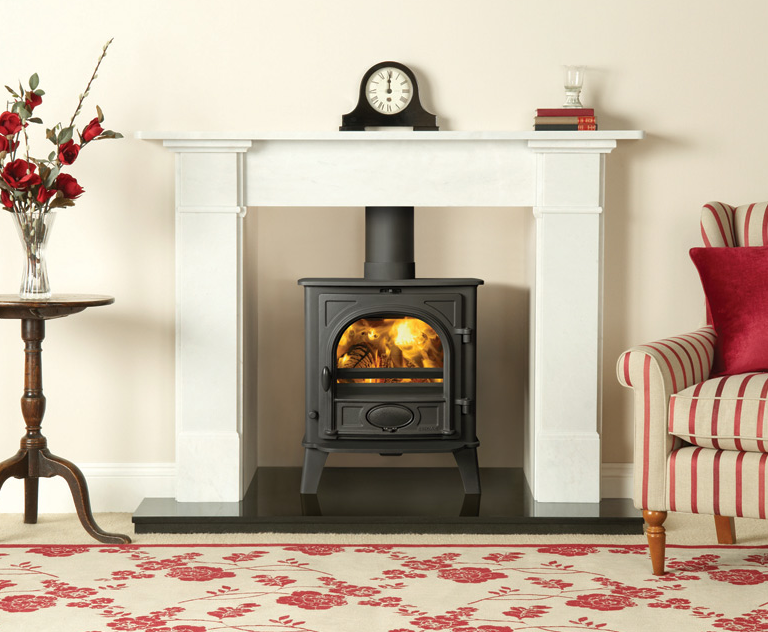
Choosing between a wood-burning stove and a multi-fuel stove is an important step when planning a new fireplace. Although the two can look very similar, they are designed to burn fuel in different ways. Understanding these differences can help you choose a stove that suits your lifestyle, heating needs and fuel preferences.
What Is a Wood-Burning Stove?
A wood-burning stove is designed specifically to burn logs. Its firebox is typically built with a flat base, allowing the wood to burn on a bed of ash. The stove controls the supply of air to support combustion and maintain an effective flame.
For households that intend to burn logs regularly, a dedicated wood-burning stove is a straightforward option. Its design is tailored to wood, making it worth considering if you want the traditional appearance and atmosphere of a log fire without needing the flexibility to use other solid fuels.
Wood-burning stoves are available in a wide range of designs, from contemporary models suited to modern interiors to more traditional styles that complement a classic fireplace.
What Is a Multi-Fuel Stove?
A multi-fuel stove is designed to burn wood and other fuels approved by the manufacturer. Depending on the model, these may include suitable smokeless solid fuels.
Many multi-fuel stoves have a raised grate and an ashpan beneath it. This arrangement allows air to reach the fuel from below and makes it easier for ash to fall into the pan. These features are particularly useful when burning fuels that require air to circulate beneath the fire.
A multi-fuel stove can be a practical choice if you want the option of using different permitted fuels rather than relying exclusively on logs. However, the term multi-fuel does not mean that every type of solid fuel is suitable. Always check the appliance instructions before use.
The Main Differences Between Wood-Burning and Multi-Fuel Stoves
The key difference is the type of fuel each appliance is designed to burn and how its firebox manages airflow.
Fuel options
A dedicated wood-burning stove is intended for logs. A multi-fuel stove can burn logs and additional approved fuels, depending on its specification.
If you already know that you will only burn wood, the extra flexibility of a multi-fuel model may not be necessary. If you want a choice of fuels, a multi-fuel stove may offer greater flexibility.
Firebox design
Wood burns effectively on a bed of its own ash, so dedicated wood-burning stoves commonly have a flat firebox base. Multi-fuel stoves often use a raised grate to allow air to pass beneath the fuel.
The exact design varies between models, so it is important to compare the manufacturer's specifications rather than relying on appearance alone.
Ash removal
Many multi-fuel stoves include an ashpan that collects ash falling through the grate. Dedicated wood-burning stoves commonly retain ash in the firebox, where a shallow bed can help support the fire.
Neither arrangement removes the need for regular cleaning and maintenance. Always follow the manufacturer's guidance for removing ash and cleaning your appliance.
Which Type of Stove Is Right for You?
The best choice depends on how you plan to use your stove.
A wood-burning stove may suit you if:
You intend to burn logs exclusively.
You prefer an appliance designed specifically for wood.
You have a reliable supply of suitable, dry firewood.
You do not need the option of burning other approved fuels.
A multi-fuel stove may suit you if:
You want the option of burning wood or other manufacturer-approved fuels.
You would like more flexibility in how you source fuel.
You are happy to manage the different requirements of the fuels you use.
You have checked that the appliance is suitable for your intended fuel and location.
If you are unsure, consider how often you expect to use the stove, which fuels are readily available to you and whether your preferences may change over time.
Can You Burn Wood in a Multi-Fuel Stove?
Yes. Many multi-fuel stoves are designed to burn logs as well as other approved fuels. However, the firebox and grate arrangement can differ from a dedicated wood-burning model, so the experience and usable space may vary.
If you plan to burn wood most of the time, compare the design and operating instructions of both types before making a decision. Choose a model that suits your main fuel rather than assuming that additional fuel options will automatically make it the better choice.
Can You Burn Coal in a Wood-Burning Stove?
You should not burn coal or other solid fuels in a dedicated wood-burning stove unless the manufacturer explicitly confirms that the particular appliance is designed and approved for that fuel.
Using an unsuitable fuel can cause excessive heat, damage internal components and affect safe operation. Even with a multi-fuel stove, you must only use the fuels specified by the manufacturer. Ordinary house coal is not a suitable substitute for approved smokeless fuels.
Smoke Control Areas and Fuel Restrictions
Before choosing a stove, check whether your property is in a smoke control area and understand the rules that apply.
In England, wood and other unauthorised fuels can only be burned in a smoke control area when the appliance is exempt for the relevant fuel and is operated in accordance with its conditions. A multi-fuel stove is not automatically exempt simply because it can burn different fuels. You must check the specific appliance and its permitted fuels.
You should also use dry, suitable firewood and follow current guidance on fuel quality. Your installer can help you understand the requirements that apply to your property and chosen appliance.
Why Fuel Quality Matters
Whichever stove you choose, the fuel you burn affects its performance, cleanliness and maintenance needs.
For wood-burning, use properly seasoned or kiln-dried logs with a moisture content appropriate to the appliance—commonly 20% or less. Wet wood can produce more smoke and deposits, reduce performance and increase the risk of problems in the flue.
For a multi-fuel stove, only use fuels approved by the manufacturer. Never burn household rubbish, treated timber, painted wood or old furniture.
Good fuel choices, correct operation and regular servicing all help support the safe and effective use of your stove.
Installation and Maintenance
Both wood-burning and multi-fuel stoves require suitable installation, an appropriate flue or chimney arrangement, adequate air supply and compliance with applicable building and safety requirements.
Before purchasing, speak to a suitably qualified installer about your property, the intended location and the appliance you are considering. The installer can advise on flue requirements, ventilation, hearth provision and any local restrictions.
Regular maintenance is also important. Follow the manufacturer's instructions for cleaning and servicing, and arrange chimney or flue sweeping at suitable intervals.
Frequently Asked Questions
Is a multi-fuel stove better than a wood-burning stove?
Neither is automatically better. A wood-burning stove is designed for logs, while a multi-fuel model offers the option of using other approved fuels. The right choice depends on the fuel you intend to burn and the features you need.
Does a multi-fuel stove burn wood as well?
Many do. Check the manufacturer's specifications to confirm which fuels are permitted for the model you are considering.
Are wood-burning stoves allowed in smoke control areas?
Some are, provided the specific appliance is exempt for burning wood and is operated according to the relevant conditions. Check the rules for your location and the appliance before buying.
Do both types of stove need a chimney?
Both require a suitable flue system to remove combustion gases safely. The exact requirements depend on the appliance and your property, so seek professional advice before installation.
Can I change the type of fuel I burn later?
Only if your particular appliance is designed and approved for that fuel. Never switch to a different fuel without checking the manufacturer's instructions and any applicable restrictions.
Explore Our Wood-Burning and Multi-Fuel Stoves
Whether you prefer the simplicity of a dedicated wood-burning stove or the flexibility of a multi-fuel model, choosing the right appliance starts with understanding how you plan to use it.
Browse our range of [wood-burning and multi-fuel stoves] to explore the available styles and specifications. If you need help deciding which option is suitable for your home, contact Bathroom & Fireplace Warehouse Ltd in Chatham, Kent, to discuss your requirements.

